The main points
- Diamond Beach is a black volcanic sand beach in Southeast Iceland, right beside Jökulsárlón Glacier Lagoon and the open sea.[1]
- It sits 236 miles (380 kilometers) east of Reykjavík along Route 1, a five-hour direct drive or seven to eight hours with South Coast stops.[2]
- Clear glacial ice stranded on dark sand, with icebergs still floating in the lagoon a few steps away.[1]
- Amphibian boat tours run May-Nov and take 30-40 minutes, and kayaking is allowed on the lagoon in summer.[3][4]
- The Reykjavik: Jokulsarlon Glacier Lagoon & Diamond Beach Tour runs 14 hours and stops at Jökulsárlón and Vik.[5]
- Top choice Lagoon & Diamond Beach from US$232 Duration14 hours[5]Rating4.67 from 3,935 reviews[5]GuideLive English guide[5]CancellationFree up to 24 hours before[5] Check availability
- South Coast & Diamond Beach from US$231 Duration14.5 hours[6]Rating4.54 from 1,494 reviews[6]GuideLive English guide[6]CancellationFree up to 24 hours before[6] See this tour
- Lagoon boat ride & beach from US$288 Duration14 hours[7]Rating4.61 from 268 reviews[7]GuideLive English guide[7]CancellationFree up to 24 hours before[7] See this tour
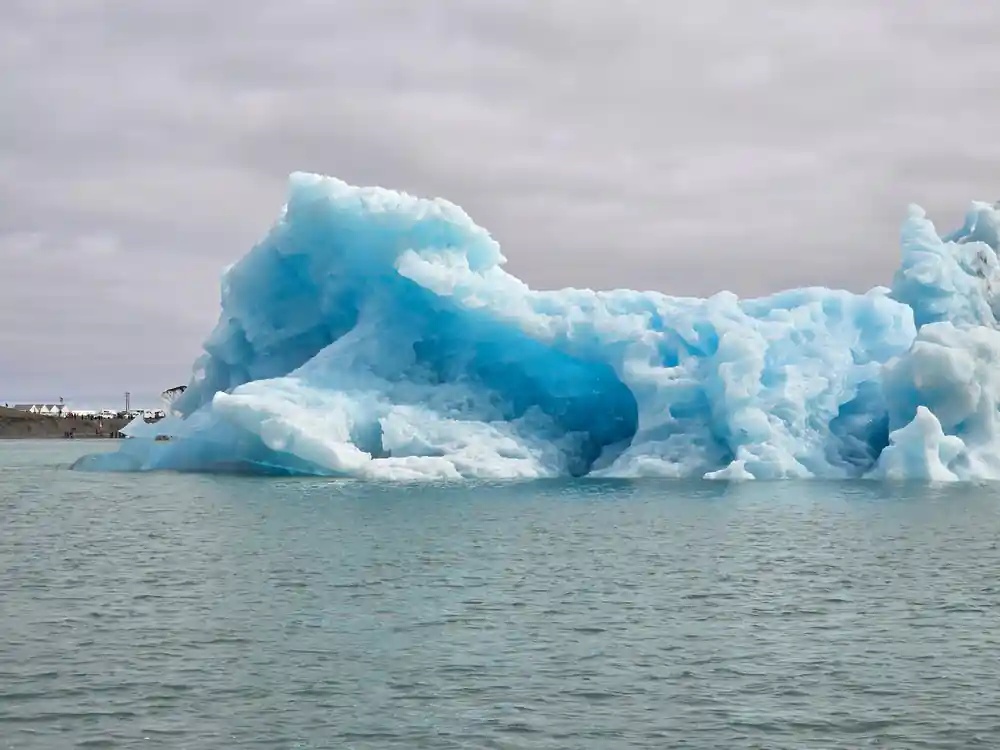
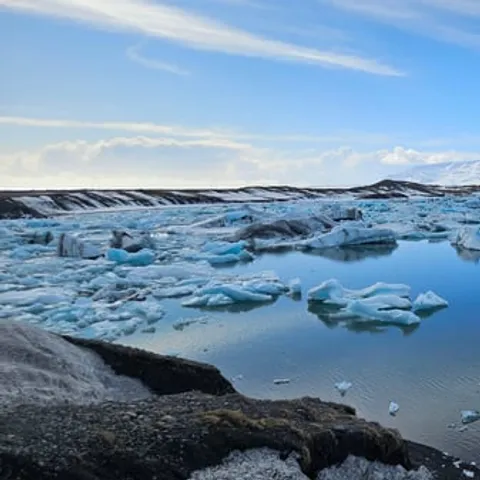
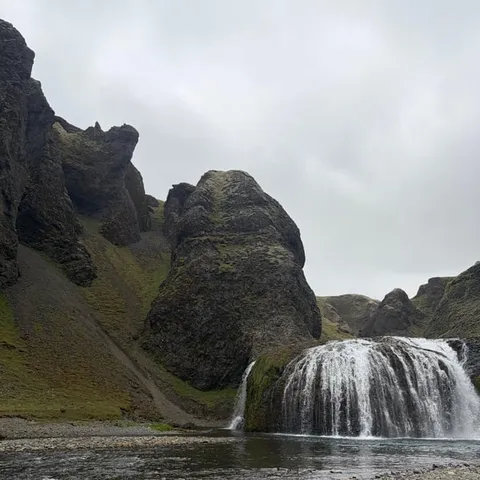
Similarly, seals are also sighted on a regular basis at neighbouring Jökulsárlón. As at Fjallsárlón, you might see them at a distance from the shore but you’ll be able to get nearer to them from out on the water.
Is Diamond Beach worth the long day out?
Pre-booking checklist
On the beach and lagoon
- Sneaker waves arrive without warning, so keep well back and never turn your back on the sea.
- Wind and spray make the beach colder than it looks, so pack a waterproof layer and gloves.
- Public toilets and a café are available at Jökulsárlón[8]
- Low sun and wet sand change the look of the ice within minutes, so look from a few angles.
How icebergs reach Diamond Beach
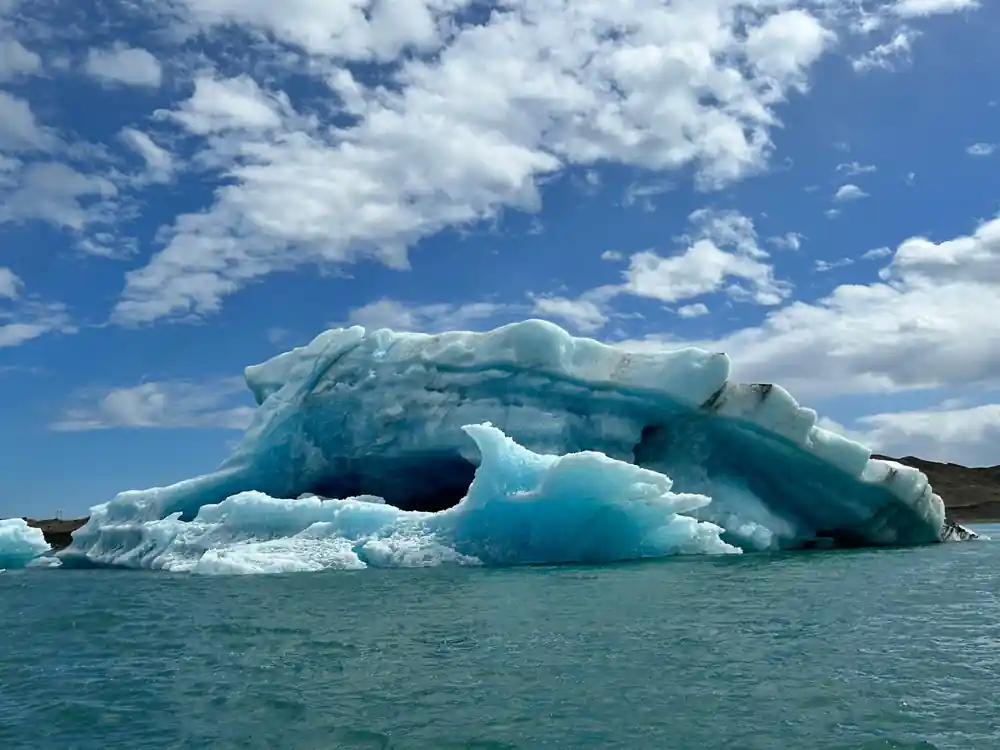
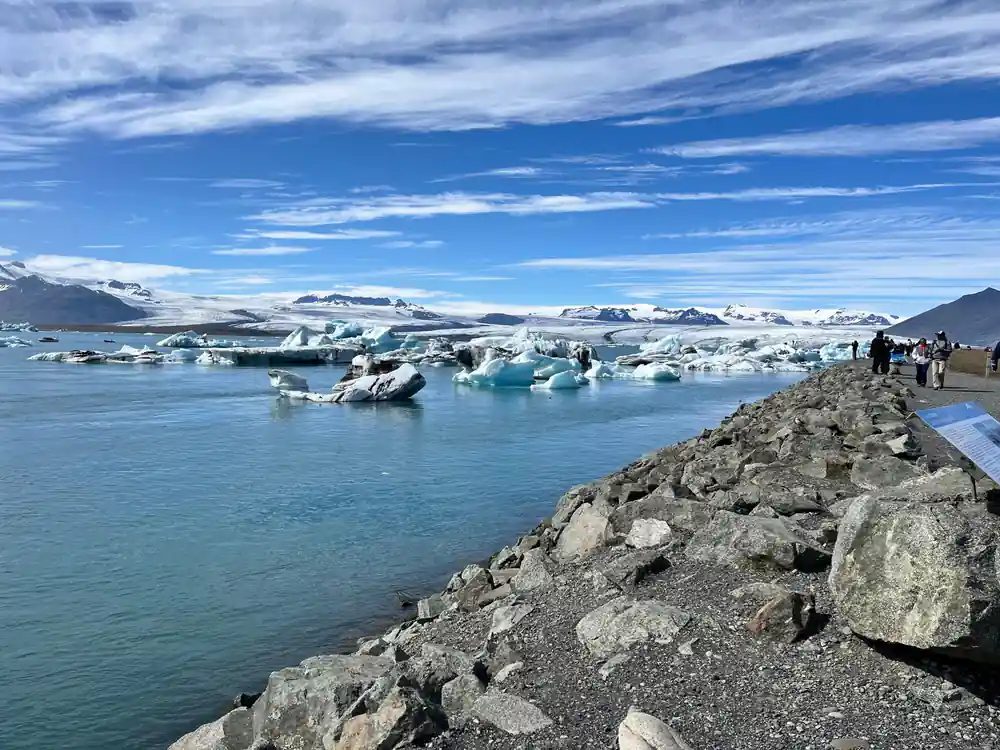
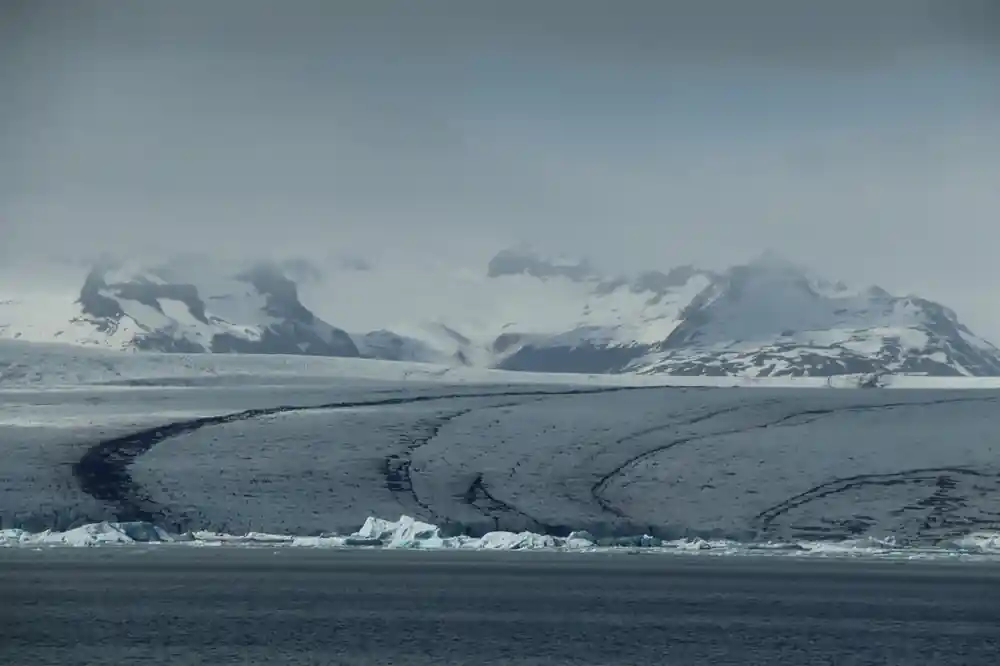
Diamond Beach sits at the seaward edge of Jökulsárlón Glacier Lagoon, 236 miles (380 kilometers) east of Reykjavík along Route 1, a five-hour direct drive or seven to eight hours with South Coast sightseeing stops.[2] The ice on the sand begins high on the Vatnajökull ice cap. Breiðamerkurjökull is the outlet glacier that feeds the lagoon.[9] Chunks break off the glacier, drift through the lagoon, and wash ashore along the coast.[1]
The lagoon is 248 meters (814 feet) deep and is the deepest lake in Iceland.[10] Ice drifts out through a short channel and meets the open sea at the beach, where the tide takes over. The same pieces can be floating in calm water one minute and grinding in the surf the next. The lagoon and its beach sit 192 kilometers (118 miles) one way from Vík, so adding a Vik Diamond Beach stop to a South Coast itinerary takes real time.[11]
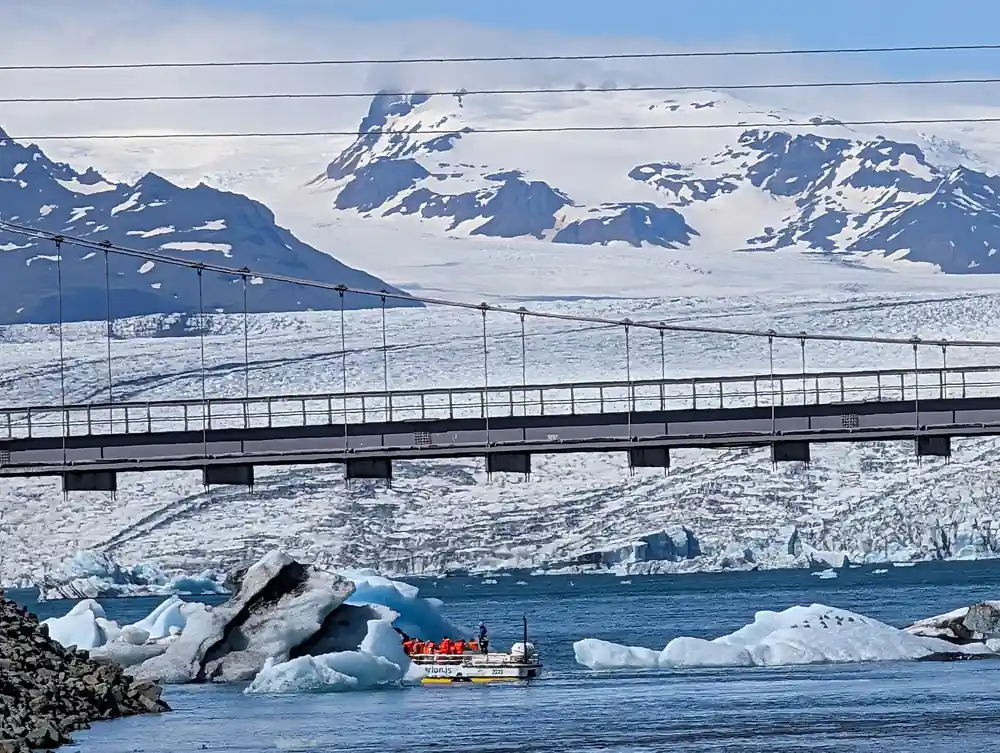
The two halves of the stop sit either side of the road, joined by a short bridge over the channel. Walk the lagoon side first for floating bergs, reflections and calm water, then cross to the beach for ice on sand and breaking surf. Bring a hood: the wind between the two is steady and cold, even on a still day inland.
Why black sand makes the ice sparkle
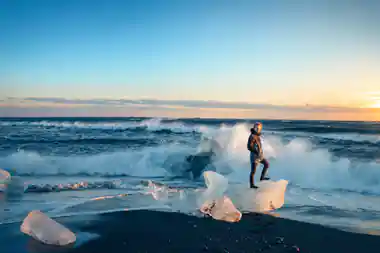
Diamond Beach is a black volcanic sand beach in Southeast Iceland, scattered with clear glacial ice.[1] That sand is ground-down basalt, dark and matte, and it soaks up light rather than throwing it back at you. Small clear chunks on top of that darkness catch the sun like cut stones. Wet sand at the waterline mirrors the sky and doubles the contrast between ice and ground.
Film crews have used the lagoon for A View To A Kill, Die Another Day and Lara Croft: Tomb Raider.[12] On a bright day the icebergs, the black sand and the blue water do look like a set. Carry a cloth for your lens; spray and fine sand find their way onto glass quickly. A zipped pocket for your phone saves worry near the water.
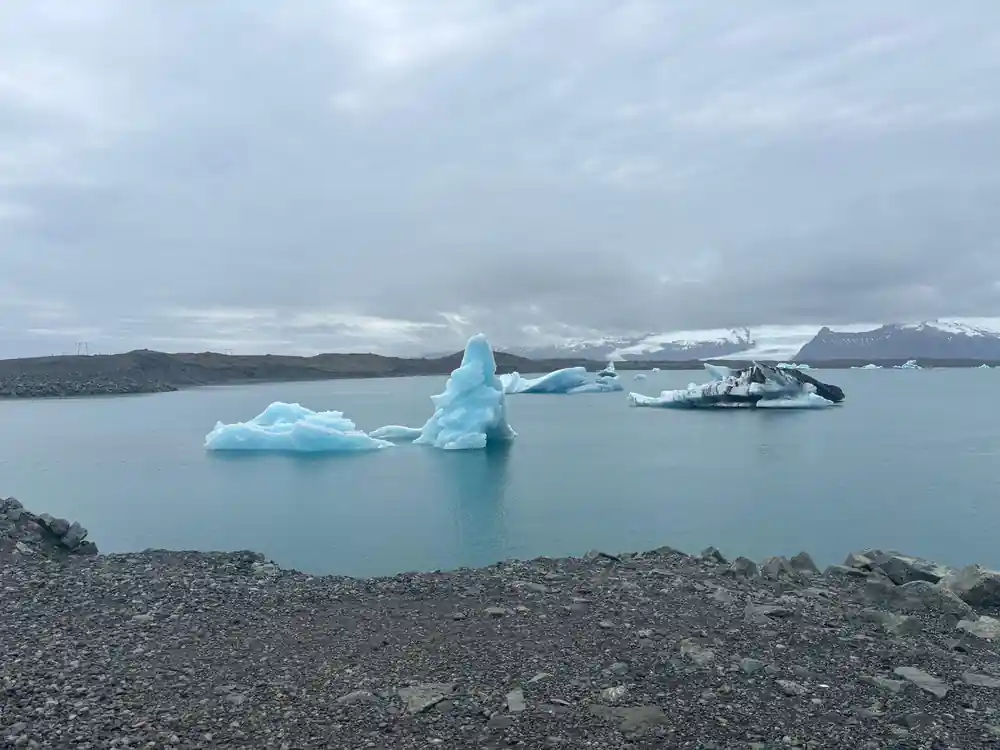
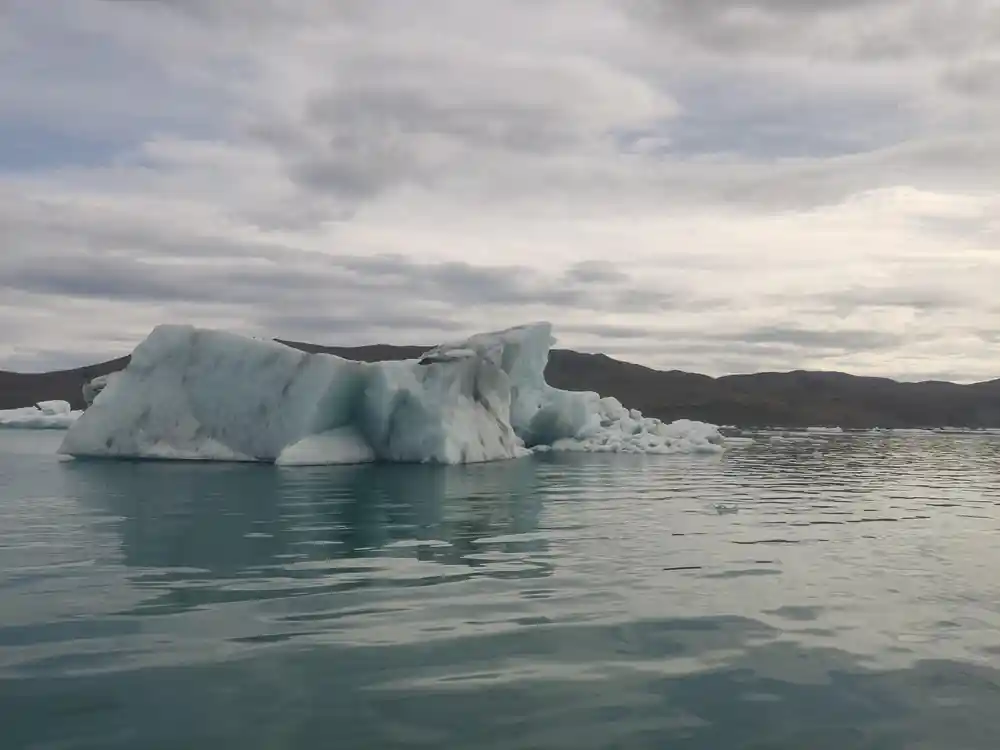
Weather changes the whole scene. Under a flat grey sky the ice turns deep blue and the sand goes almost black, while low golden light makes the chunks glow and throws long shadows across the beach. Both are worth photographing, and both ask for different settings: expose for the ice rather than the sand, and let the black ground fall dark.
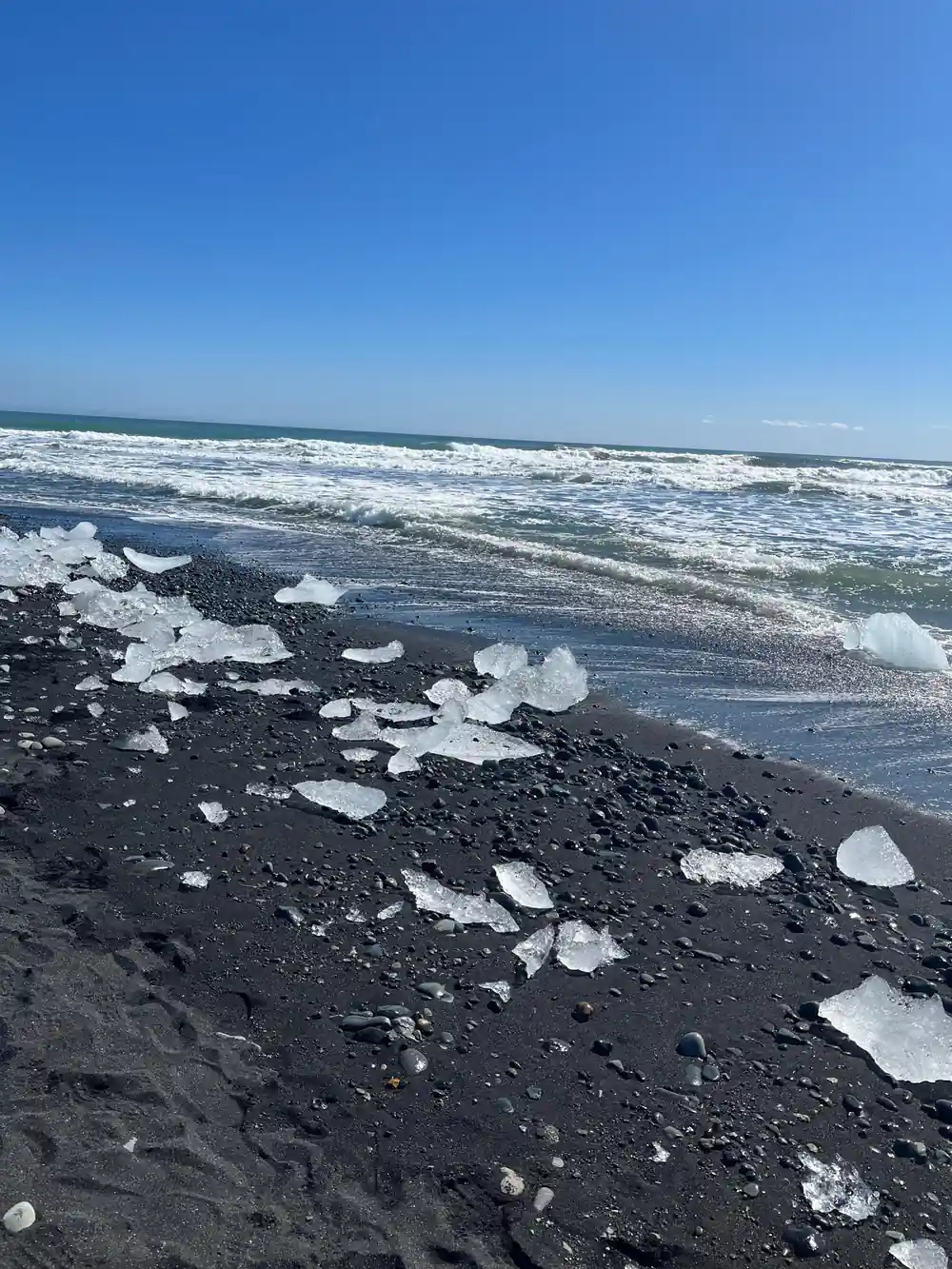
Clear ice chunks catching low sun on black volcanic sand.
The sizes of stranded ice blocks
The blocks on the sand come in every size and shape. Some are small pieces that crunch underfoot, some are heavy slabs with flat tops and carved sides, and some sit half in the wash, rolling slightly with each wave. All of it is old glacier ice, pressed under the ice cap until most of the air is squeezed out, which leaves it clear and glassy instead of cloudy white. That is the quality that makes it look so bright against the sand.
Ice like this is heavier and more slippery than it looks. A chunk that seems small can be dense and hard to shift, and the surfaces are rounded and wet. Walk carefully around the pieces rather than over them, and leave anything sitting in the surf alone. Sizes change as pieces melt and break on their way out of the lagoon, and no two visits look quite the same.
Sneaker waves and the surf at Diamond Beach
This is an open Atlantic shore with nothing between the beach and the swell, and sneaker waves are the real hazard here. They arrive without warning, run much further up the sand than the waves before them, and can knock an adult off their feet in seconds. Stay well back from the surf line, keep children within reach, and never turn your back on the sea to pose for a photo. Dark, wet sand shows where the water has already reached.
Do not climb onto ice that sits in the wash zone. A block can shift or roll with the next wave, and cold water takes your breath away fast. Public toilets and a café are available at Jökulsárlón.[8] Use them before you head down to the sand; warming up with a hot drink is part of a sensible visit when the wind is strong.
Footwear helps more than anything else. Waterproof boots keep feet dry on wet sand, and a pair with grip handles the rounded ice and the loose shingle at the top of the beach. Sand gets into everything, so zip your bag between shots and shake out your boots before you get back in the coach.
from US$232
The Reykjavik day tour to the lagoon and Diamond Beach runs 14 hours with a live English guide and free cancellation.[5]
Best light for photographing the ice
Light matters more than gear on this beach. Low sun at either end of the day lifts the ice against the black sand and stretches long shadows across the chunks. Flat overcast light is often better still: it softens the contrast and lets the blue inside the ice show through instead of blowing the highlights. A polarising filter cuts glare from wet sand and water, and a microfibre cloth earns its place in your pocket.
Day tours from Reykjavik reach the beach after a long drive, so you will usually be there in the middle of the day rather than at dawn. Work with the light you get: kneel down, put the ice against dark sand, and let a little meltwater run through the frame. The Reykjavik: Jokulsarlon Glacier Lagoon & Diamond Beach Tour runs 14 hours and stops at Jökulsárlón and Vik, with free cancellation up to 24 hours in advance for a full refund.[5]
Do not forget the lagoon side. Reflections there are calmer, and the icebergs give a sense of scale that a single chunk on the sand cannot. Seals are sighted on a regular basis at Jökulsárlón, so keep a longer lens ready and watch the water as well as the beach.[13]
The sound of grinding ice
Stand still for a minute and the beach turns noisy. Ice in the lagoon creaks and pops as bergs turn over and touch one another. Chunks on the sand knock together in the wash, and the surf drags them up and back with a hiss and a clatter. On quiet days you hear the ice before you work out what made the sound.
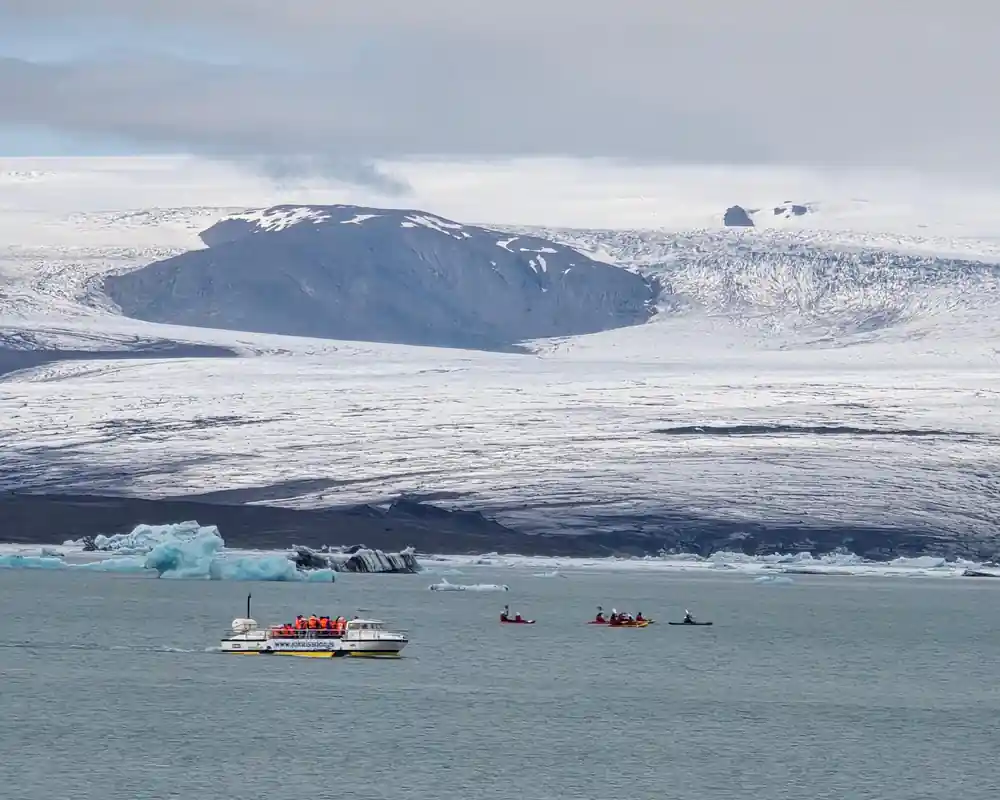
Getting onto the water changes what you hear. Amphibian boat tours run May-Nov, and the trip takes 30-40 minutes.[3] A Zodiac covers more ground, priced from 16,900 ISK, with the boat tour lasting 1 hour 15 minutes and total duration about 2 hours.[14] Either way you end up close to ice that is still afloat, with the crack and fizz of melting bergs around the boat.
Kayaking is allowed on Jökulsárlón Glacier Lagoon during the summer season, which puts you at water level with the ice at eye height.[4] Whatever you choose, listen for the low cracking sounds that carry across calm water. They travel further than you expect, and they are the soundtrack of a lagoon visit.
Does the beach ever lose its ice?
People ask about the glacier lagoon vs Diamond Beach as if you had to pick one, and the answer is that they are two halves of a single stop, one on each side of the road. The ice is always on the move. Pieces that strand at high tide are pulled back by the next one, melt in the sun, or break into smaller lumps, while new ice drifts out of the lagoon and arrives on the sand. Some visits find the beach almost bare, others find it crowded with clear blocks. Cross the road and check the lagoon side too; the icebergs there float whatever the tide is doing.
If the beach is quiet, the lagoon rarely is. Ice caves in the Vatnajökull region are only accessible during the winter months, from November and usually throughout March, depending on the weather, and they suit a lagoon trip in the cold half of the year.[15] Hotel Jokulsarlon is an accommodation option in the Icelandic countryside near the lagoon for anyone who would rather not drive back to Reykjavik the same night.[16]
Plan the stop around both sides of the road. The lagoon and the café are together on one side[8], and the beach is a short walk away, so you can move between them as the weather changes. Framed by calm water on one side and open sea on the other, the Jokulsarlon glacier beach deserves more than a quick photo stop. Give the visit room to breathe: the drive is long, the light shifts quickly, and the ice you see at the start of the day may not be there at the end of it.
From-prices of Reykjavik day tours to the lagoon and beach
From-prices as listed on GetYourGuide for these tours:[5][6][7][17]
Compare from-prices for lagoon and beach tours
From-prices in US dollars from these GetYourGuide listings:[5][6][7][18]
When to plan your visit
Plan your Diamond Beach day
Book the tour that covers both sides
The day tour from Reykjavik runs 14 hours and stops at Jökulsárlón and Vik, with pickup options to check when you book.[5]
Wear waterproof layers
Wind, spray and cold sand make the beach feel far colder than the car park, so bring a waterproof shell, gloves and a hat.
Cross the bridge to both sides
The lagoon and the beach sit either side of the road, so give each one time rather than shooting from the car park.
Keep back from the surf
Sneaker waves arrive without warning, so stay well back from the water, keep children close and never turn your back on the sea.
Watch for ice that moves
Ice in the wash zone can roll with the next wave, so admire the stranded blocks from dry sand and leave climbing to nobody.
See the lagoon and the stranded ice in one long day
from US$233Reserve now & pay later