The main points
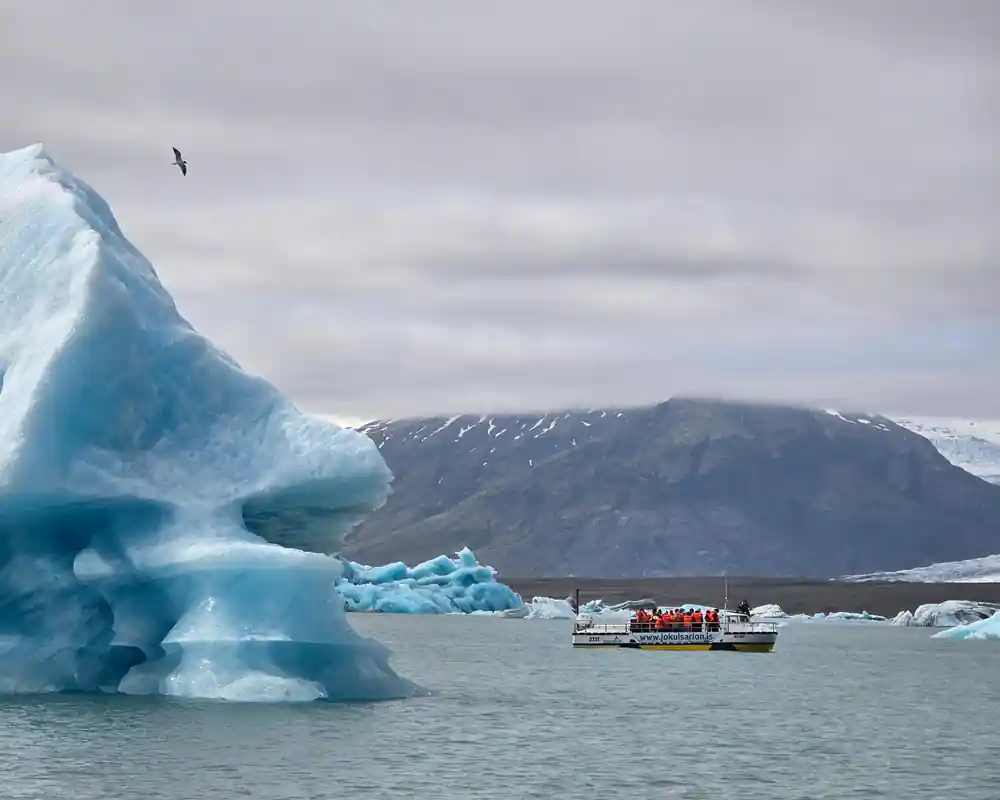
- Grey water, white ice and a low sun. Jökulsárlón is 248 meters (814 feet) deep, the deepest lake in Iceland, fed by the Breiðamerkurjökull outlet glacier.[1][2]
- It sits 236 miles (380 kilometers) east of Reykjavík, a five-hour direct drive or seven to eight hours with stops.[3] From Vík, 192 kilometers (118 miles) one way.[4]
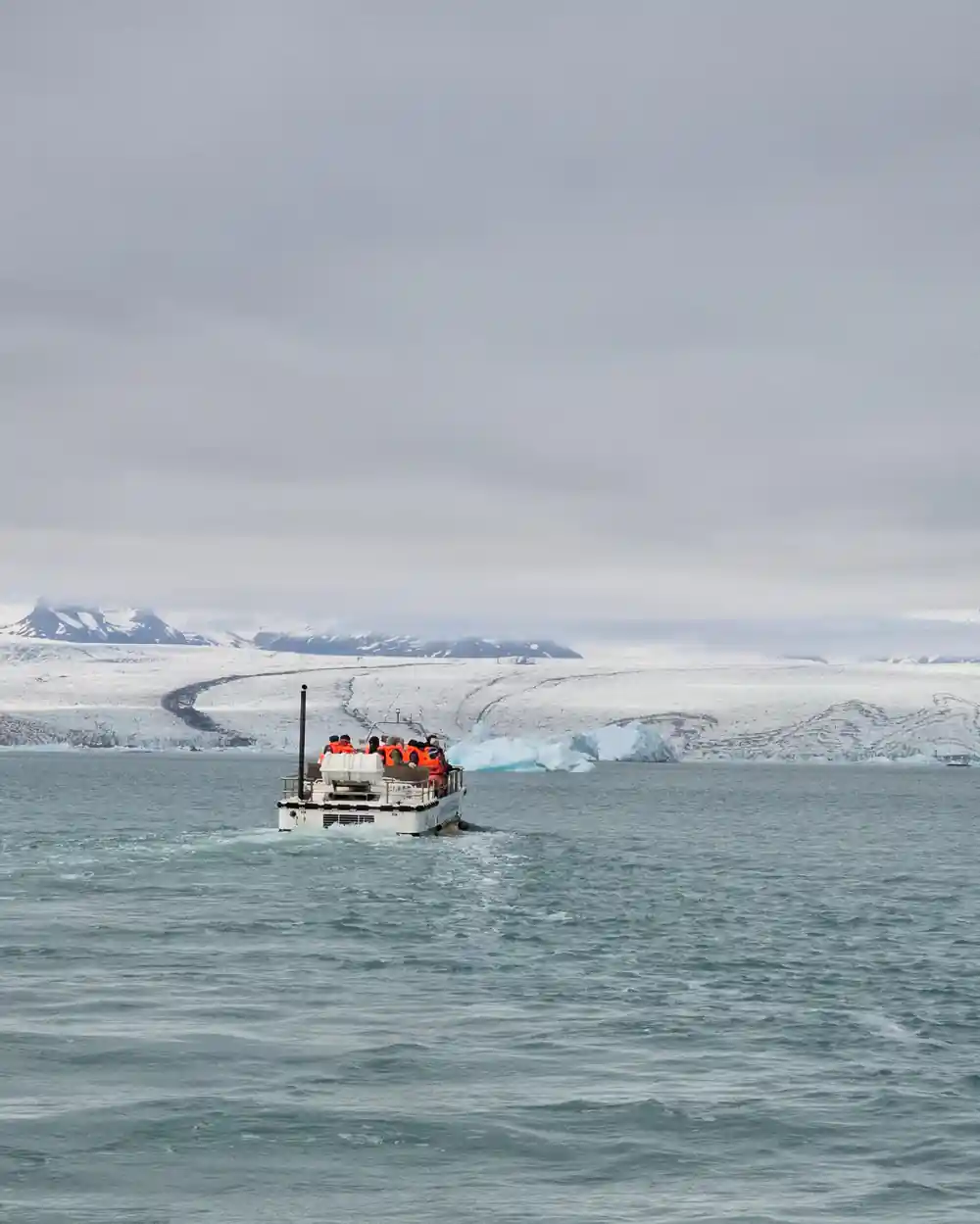
- Ice caves in Vatnajökull are only accessible from November and usually throughout March.[5] Boat trips run May-Nov, and the amphibian tour takes 30-40 minutes.[6]
- The Reykjavik day tour to the lagoon and Diamond Beach takes 14 hours, from US$232, with pickup available and free cancellation up to 24 hours ahead.[7]
- Waterproof outer layer, wool next to the skin, hat, gloves and boots with grip. Public toilets and a café are available at the lagoon.[8]
- Top choice Lagoon & Diamond Beach tour from US$232 Rated4.67 from 3,935 reviews[7]Duration14 hours[7]GuideLive tour guide: English[7]PickupCheck availability for pickup[7]CancellationCancel up to 24 hours ahead[7] Check availability
- South Coast & Diamond Beach from US$231 Rated4.54 from 1,494 reviews[9]Duration14.5 hours[9]GuideLive tour guide: English[9]PickupCheck availability for pickup[9]CancellationCancel up to 24 hours ahead[9] See this tour
- Boat ride & Diamond Beach from US$288 Rated4.61 from 268 reviews[10]Duration14 hours[10]GuideLive tour guide: English[10]PickupCheck availability for pickup[10]CancellationCancel up to 24 hours ahead[10] See this tour
The ice caves are only accessible during winter months, from November and usually throughout March, depending on the weather.
Is a winter Jökulsárlón tour worth it?
Pre-booking checklist
Why winter changes the lagoon
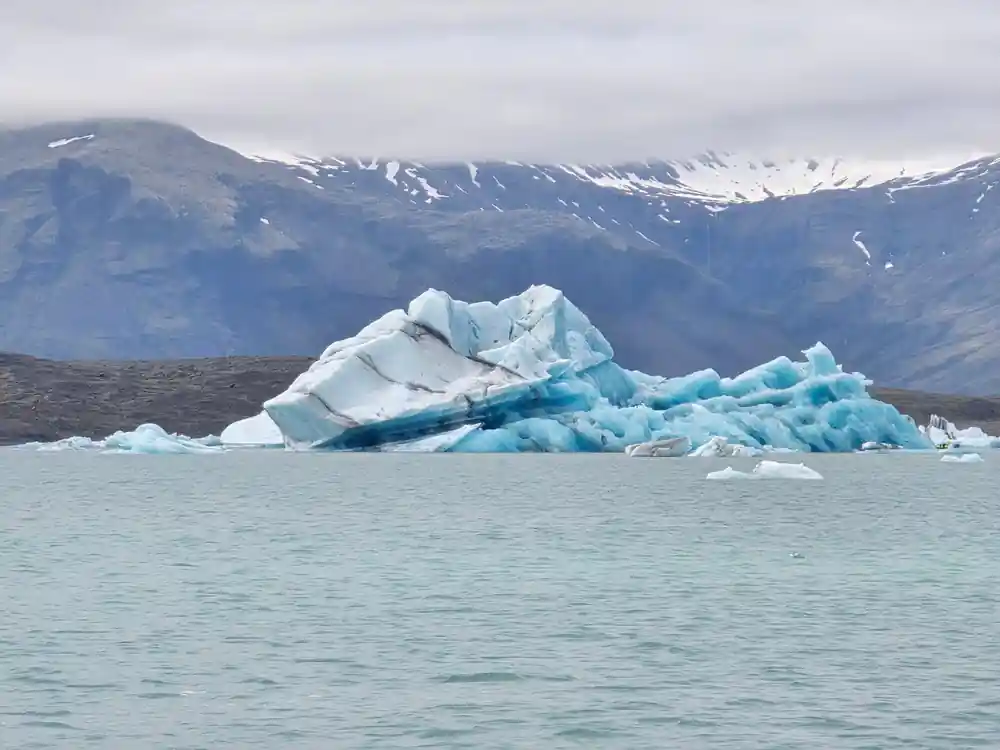
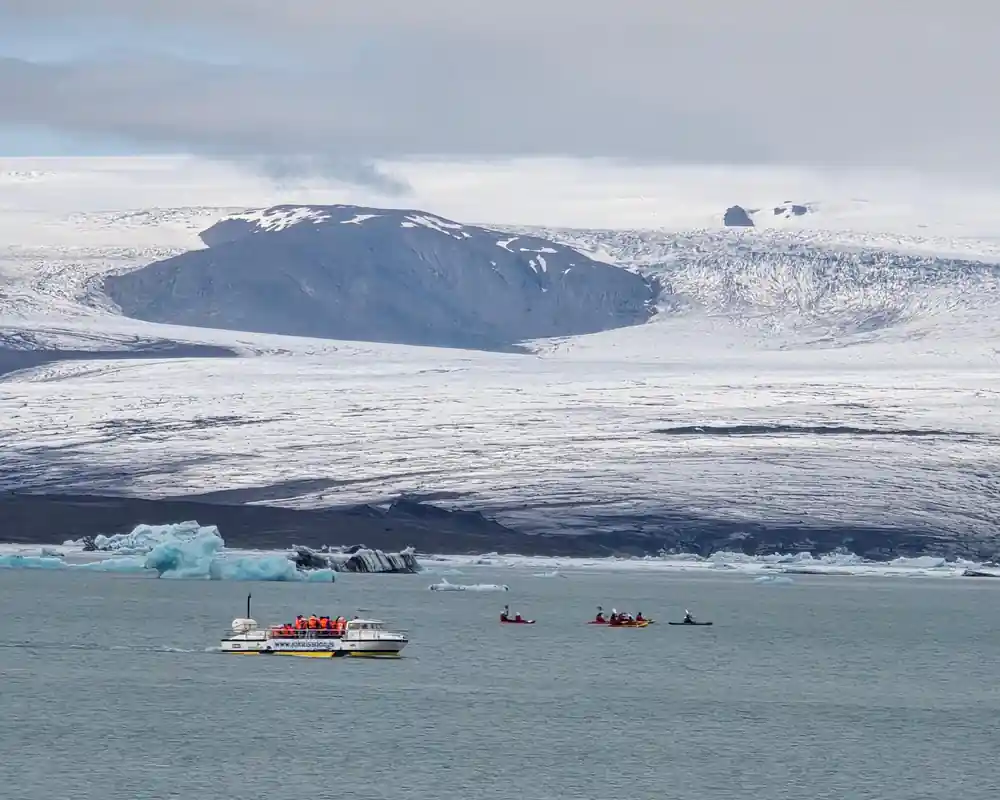
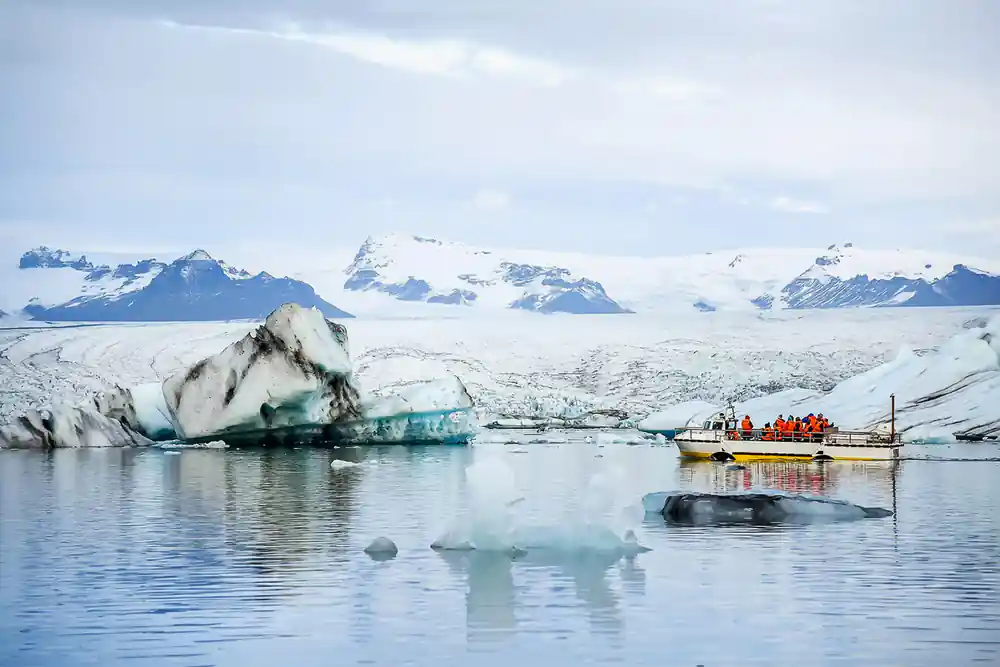
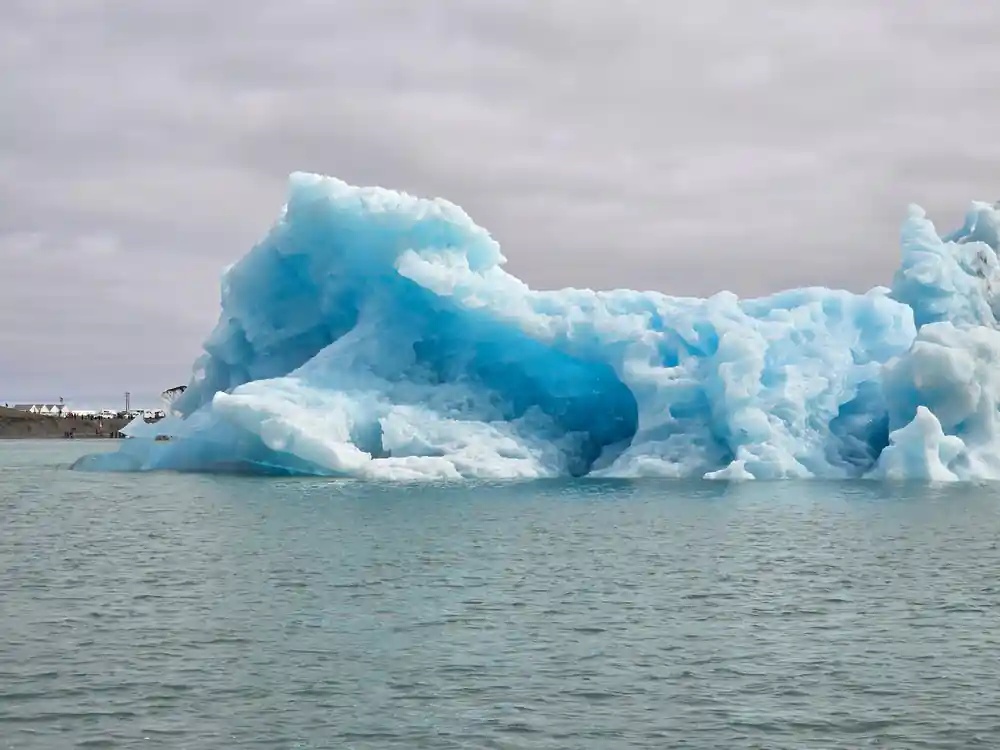
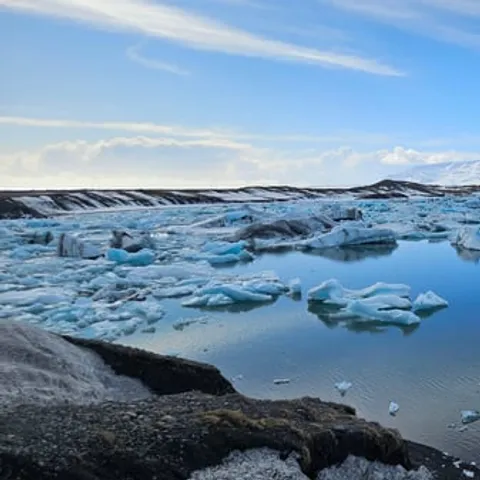
Winter strips the colour back at Jökulsárlón and leaves the shapes. The ice comes from Breiðamerkurjökull, the Vatnajökull outlet glacier that feeds the lagoon.[2] It drifts in water 248 meters (814 feet) deep, and Jökulsárlón is the deepest lake in Iceland.[1] Summer gives you bright blues and green hills. Winter gives you grey water, white ice and a sky that changes every few minutes.
Daylight shapes everything on a winter day here. The sun stays low, shadows run long across the ice, and there is a stretch in the middle of the day when the whole lagoon turns gold before it fades. You spend less time walking and more time choosing where to stand. The drive back to Reykjavik happens in the dark. Bring something to make the coach comfortable and try to sleep.
Plan more than one visit where you can. Morning often brings the stillest air and the clearest reflections. Late afternoon brings the low light that turns the ice blue and the sand black. If your schedule allows a single pass, a day tour still gives you time at the lagoon and the beach together.
Getting there from Reykjavik
Jökulsárlón sits 236 miles (380 kilometers) east of Reykjavík along Route 1, a five-hour direct drive or seven to eight hours with South Coast sightseeing stops.[3] From Vík the distance is 192 kilometers (118 miles) one way.[4] In winter, treat those as best-case numbers. Snow, wind, drifting sand near the coast and ice on the road all slow you down, and the ring road can close when a storm comes through.
If you drive yourself, start before first light, check the road and weather pages before you leave, and be ready to turn around. The other option is to let someone else take the wheel while you watch the landscape slide past. A Jökulsárlón glacier lagoon winter tour from Reykjavik also saves you scraping ice off a windscreen at a petrol station in the dark.
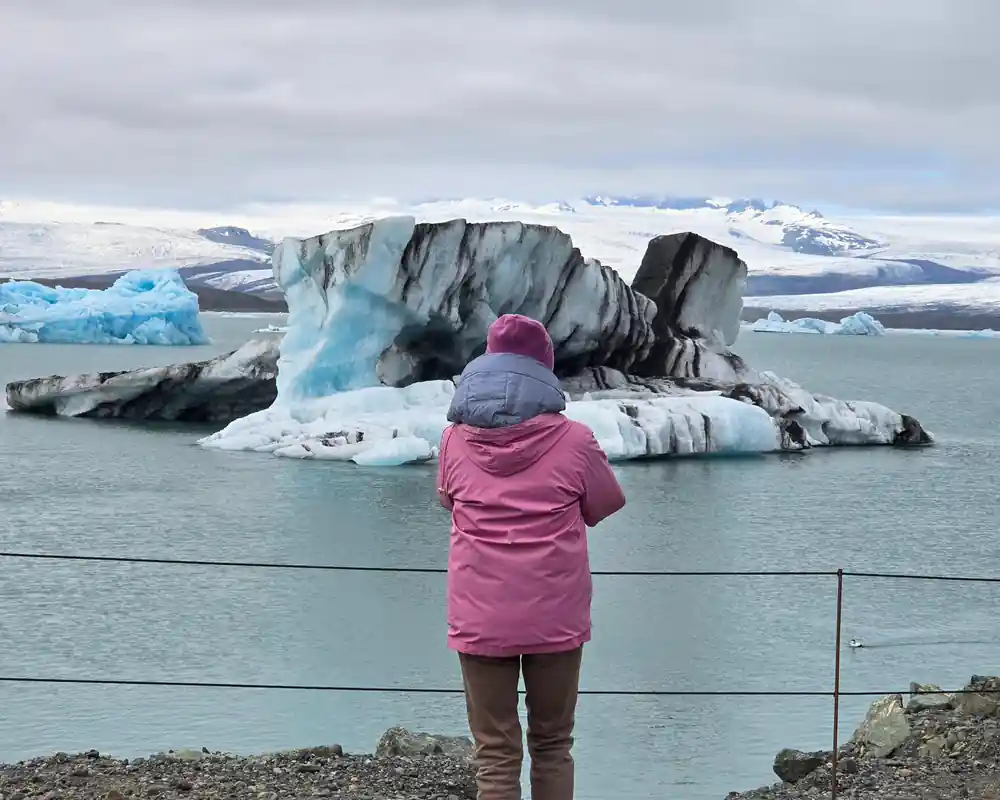
Ice stacked on black sand while the winter light goes gold.
The lagoon and Diamond Beach
Diamond Beach is a black volcanic sand beach in Southeast Iceland scattered with clear glacial ice that breaks off from Breiðamerkurjökull, drifts through Jökulsárlón Glacier Lagoon, and washes ashore along the coast.[11] In winter the pieces are bigger, the light is lower, and the contrast between white ice and black sand is at its sharpest. The beach changes with every tide, so what you photograph today is gone tomorrow.
At the lagoon, walk the path along the water and watch for seals. Seals are sighted on a regular basis at Jökulsárlón Glacier Lagoon on Iceland's south coast,[12] and a dark head between the icebergs is easy to miss until it moves. Stay back from the ice that has come ashore, keep away from the surf line, and never step onto anything floating.
Ice caves and winter activities
Ice caves in Vatnajökull are only accessible during the winter months, from November and usually throughout March, depending on the weather.[5] The usual trip leaves the Jökulsárlón area by jeep and heads onto the glacier with a guide who reads the ice and decides where it is safe to go. A guided ice cave tour from Jökulsárlón runs three hours and starts from US$164.[13]
Boat and kayak trips belong to the other half of the year. The amphibian boat tour season at Jökulsárlón is May-Nov and each trip takes 30-40 minutes.[6] The Zodiac Boat Tour is priced from 16,900 ISK and lasts 1 hour 15 minutes, with total duration about 2 hours.[14] Kayaking is allowed on Jökulsárlón Glacier Lagoon during the summer season.[15] In winter you look at the ice rather than float among it, and glacier walks and cave trips fill the day instead.
Glacier hikes are the other winter option. A guided Vatnajökull glacier hike from Jökulsárlón at easy level takes three hours and starts from US$132,[16] while a longer guided hike on the glacier runs 4.5 hours and starts from US$134.[17] Both are led by guides who set the pace, and both need boots you can walk in and trust on ice.
from US$232
The Reykjavik day tour to Jökulsárlón and Diamond Beach runs 14 hours, with pickup available and free cancellation before departure.[7]
The Reykjavik day tour
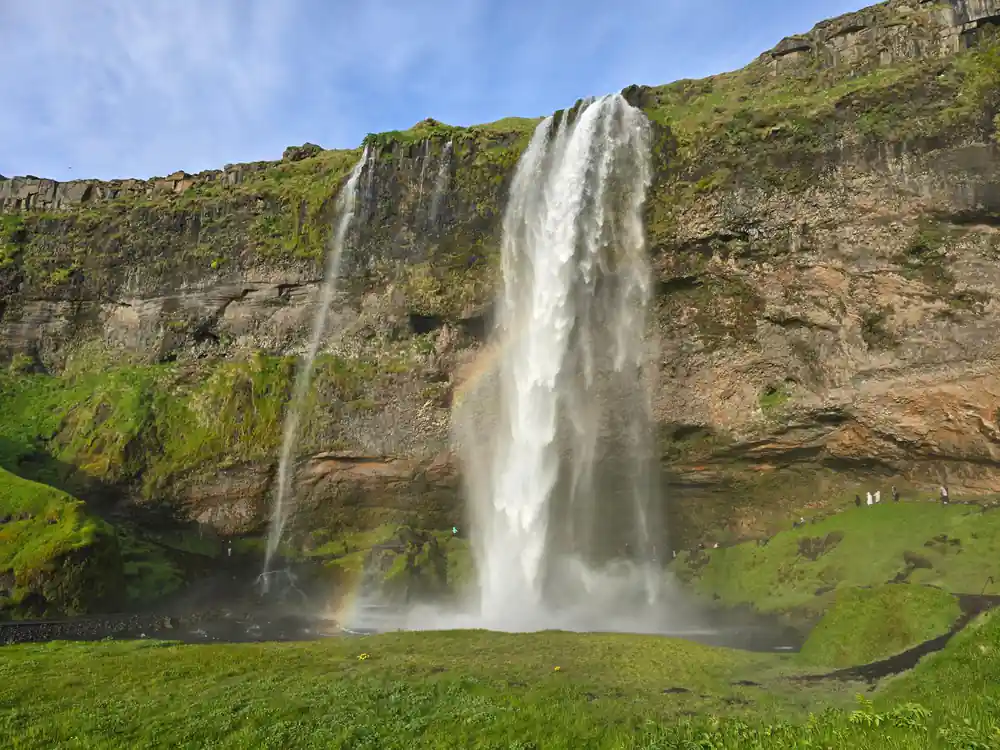
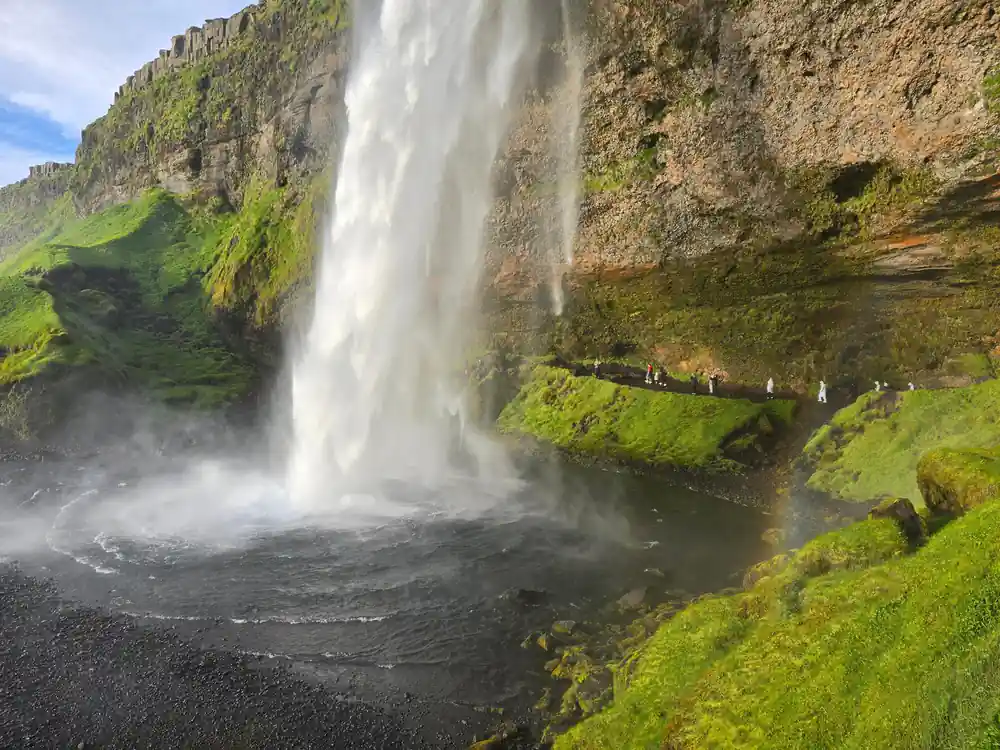
The Reykjavik: Jokulsarlon Glacier Lagoon & Diamond Beach Tour takes 14 hours, with pickup available and a live tour guide in English.[7] Stops include Hvolsvöllur, Kirkjubæjarklaustur, Jökulsárlón, Vík and Seljalandsfoss before the long run back to the city.[7] It costs from US$232 and is rated 4.67 from 3,935 reviews.[7]
Free cancellation is part of the deal: cancel up to 24 hours in advance for a full refund, and you can reserve now and pay later.[7] That matters in winter, when a storm can shut the road and change your plans overnight. On the day, expect long stretches on the coach and short stops at waterfalls and viewpoints. The lagoon and the beach sit close together, a short walk apart, and you can move between them when the light is good.
Pickup runs from a starting point in the city and the day ends at one of 30 drop-off locations.[7] Be outside and ready before the scheduled time, keep your phone charged with the booking details, and bring a head cushion and a bottle of water. A day this long goes better with small comforts.
What to wear and how to plan
Dress for wind first and cold second. A waterproof shell over a warm mid layer, wool or fleece next to the skin, a hat, gloves and a scarf will do more for you than a heavy coat alone. Boots with grip matter on the paths and at the beach, where meltwater refreezes into slick patches. Pack spare gloves, a power bank and a dry bag, because batteries drain fast in the cold.
Public toilets and a café are available at Jökulsárlón.[8] It is a natural place to warm up, eat and refill a flask. Build the day around the light rather than a fixed schedule, and treat every stop as a bonus rather than a promise. Cloud can hide the lagoon completely, then lift to leave still water reflecting the icebergs.
Staying overnight and eating
Hotel Jokulsarlon is an accommodation option in the Icelandic countryside, near the glacier lagoon.[18] Staying out east lets you see the ice at first light and again at the end of the day without a long night drive back to Reykjavik, and it gives you another chance if the first visit happens under thick cloud. Winter rooms fill early, so book when you know your dates.
The lagoon has a film history as well: Jökulsárlón was used as a filming location for A View To A Kill, Die Another Day, and Lara Croft: Tomb Raider.[19] On the drive home after dark, keep an eye out for the northern lights, with the usual warning that cloud decides. Whatever the weather does, take the photos you can, then put the camera down and listen to the ice cracking and the waves working the beach.
How long the day tours last
Durations as listed on GetYourGuide for these Reykjavik departures:[7][9][10][20]
Winter trip prices, per adult
US dollar from-prices as listed on GetYourGuide; no child rates are listed for these tours.[7][9][10][13][21]
When things run at Jökulsárlón
Planning your winter day
Check the road and the weather
Check the forecast and road conditions the night before and again in the morning. An open road can close within hours in winter, so keep the plan flexible.
Be ready before pickup
Have your layers, boots, gloves, snacks and a charged phone ready ahead of the pickup time. Winter departures can shift when the driver wants to get ahead of the weather.
Use the daylight hours
Keep your camera ready on the coach, then head straight for the water and the beach when you arrive. Light fades early, so your first minutes at the lagoon matter most.
Add an ice cave if you can
Ice caves in Vatnajökull are accessible from November and usually throughout March.[5] A guided cave or glacier trip pairs well with a day tour if you stay out east.
Book with free cancellation
Reserve now and pay later, and cancel up to 24 hours in advance for a full refund on the Reykjavik day tour.[7]
See the lagoon, the ice and Diamond Beach on a winter day tour
from US$233Reserve now & pay later